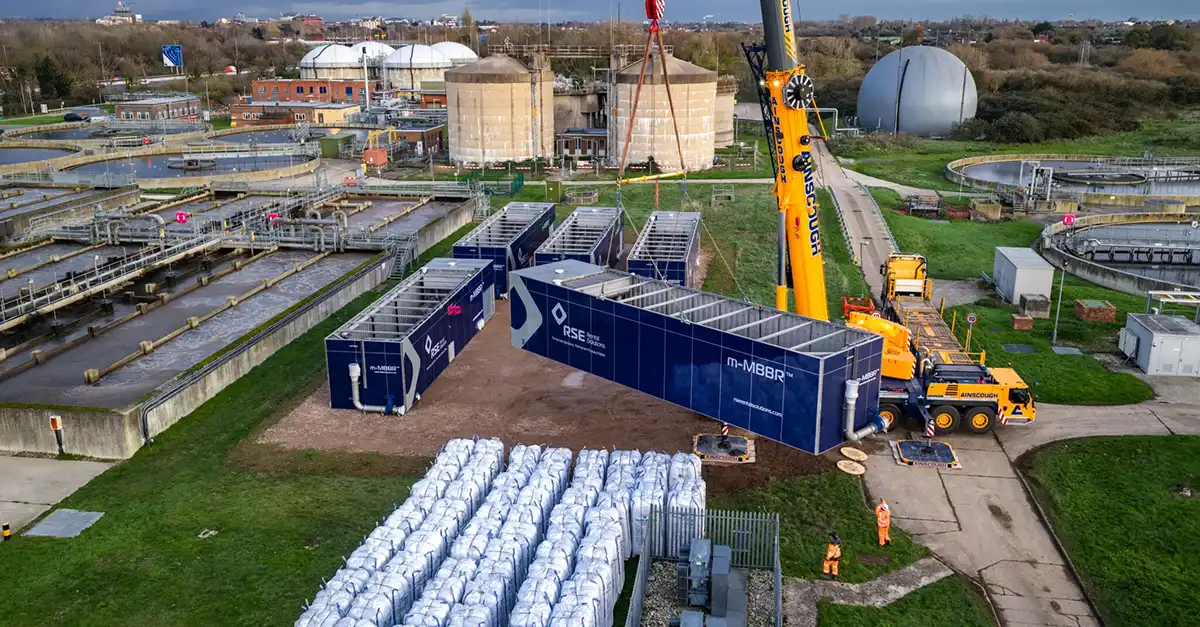
Distilling Quality Outputs with Chemical Dosing
Drawing on our heritage in water technology, we’ve created a range of modular, plug-and-play solutions to help overcome key industry challenges. These store and dose commonly used chemicals, including:
- Sodium hypochlorite
- Ferric sulphate
- Ferric chloride
- Lime
- Sodium hydroxide (caustic)
- Sulphuric acid

Our Chemical Dosing Categories
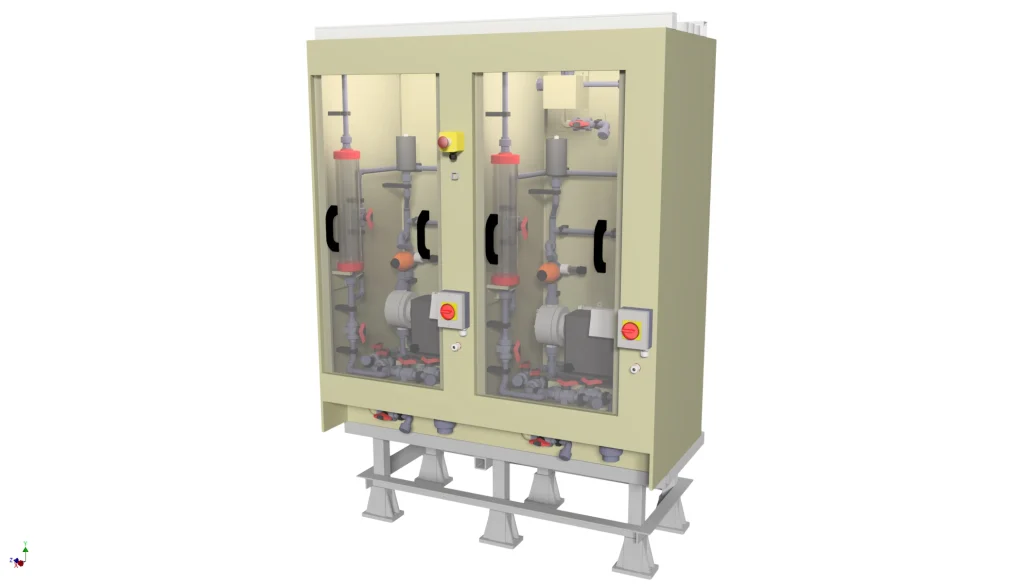
Dosing Rigs
Dosing Rigs
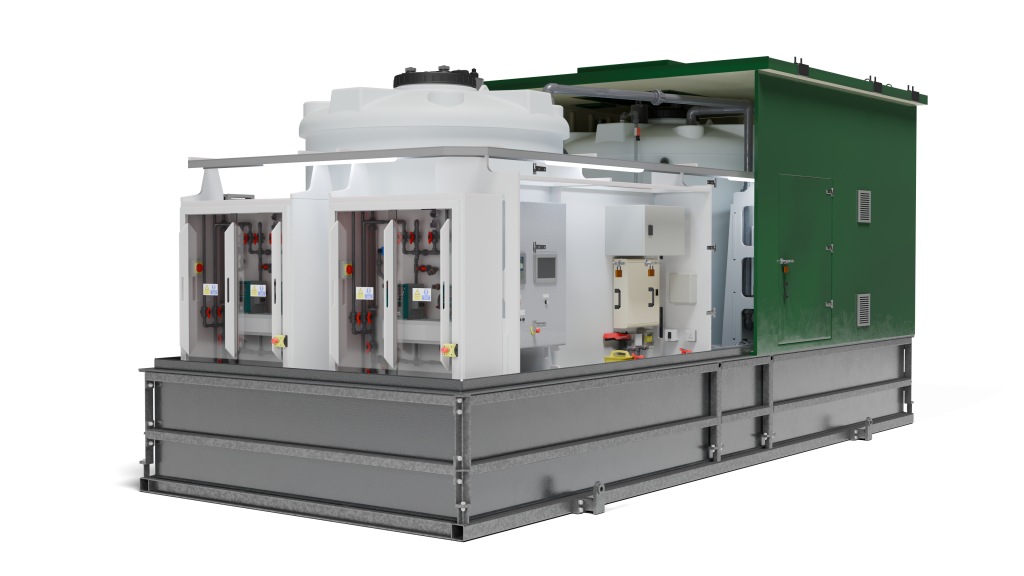
Dosing Systems
Dosing Systems
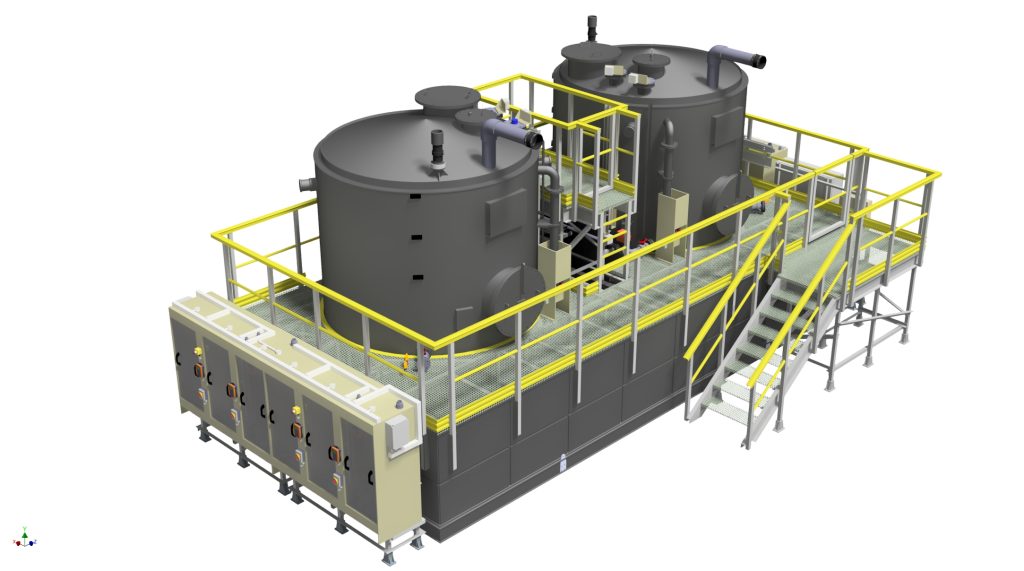
Modular Dosing Systems
Modular Dosing Systems
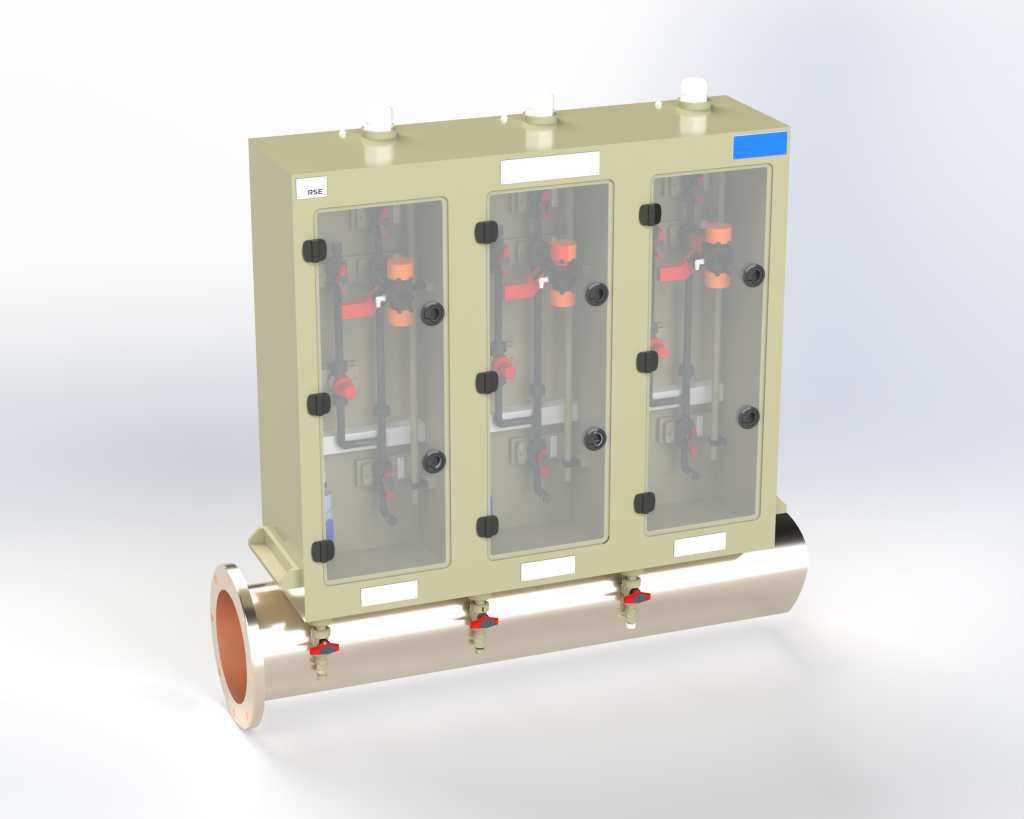
Ancillary Dosing Products
Ancillary Dosing Products

Chemical Dosing Aftercare
Chemical Dosing Aftercare
Common Water Treatment Processes We Can Help With
UV Disinfection
UV disinfection is a physical water treatment method that uses UV-C light to neutralise microorganisms like bacteria, viruses and parasites. The lack of chemicals makes it an environmentally friendly approach to water purification.
Our experts in UV disinfection and our rigorous approach to quality control have made us a market leader in the UK, and we tailor each solution to the water source and distribution system.

pH Correction
Our pH correction process precisely controls the acidity or alkalinity of water. We use advanced chemical dosing systems to ensure water remains within the required range, tailoring each solution to the water source and distribution system. Environmental protection is always at the forefront.
Our team of experts excel in the science of pH correction and have a long track record of successful projects. We invest in pH correction research and development, and continuously adapt to evolving regulations. This is why we’re the go-to choice for water authorities across the UK.
Coagulation and Flocculation
Coagulation and flocculation are fundamental in providing safe drinking water. They remove impurities and suspended particles from the water supply.
Our proven solutions make us the go-to experts in this area. We:
- Use carefully selected coagulants to ensure market-leading purification
- Adapt to evolving regulations and environmental concerns, giving clients peace of mind
- Deliver excellence always, ensuring communities have access to the cleanest, safest and most sustainable drinking water
Fluoridation
Fluoridation is the process of adjusting the fluoride content in drinking water. It’s considered one of the most effective public health interventions for widespread oral health.
Adding fluoride, typically in the form of sodium fluoride, fluorosilicic acid or sodium fluorosilicate, helps prevent tooth decay by strengthening tooth enamel and boosting resilience against acid erosion caused by bacteria. Public health authorities regulate the concentration of fluoride to ensure it provides dental benefits with minimal risk.
Plumbosolvency
Plumbosolvency is when lead dissolves under certain conditions – that’s either soft water (low mineral content) or acidic environments. It typically occurs in old pipes in domestic properties, lead service lines or solder used to join copper pipes. Treatment is essential for water contaminated with lead, as high levels can pose a threat to public health.
Water treatment chemical dosing solutions include pH adjustment, alkalinity control and phosphate dosing to form a protective layer inside pipes and prevent lead dissolving.
Corrosion Inhibition and Scale Control
Threat of damage and blockages to infrastructure make corrosion inhibition and scale control a major focus of many water treatment chemical dosing solutions.
- Corrosion occurs when water passes over metal infrastructure and reacts with surfaces to initiate gradual wear and tear. It can lead to leaks and metals entering the water.
- Scale forms from the buildup of minerals, typically calcium and magnesium, which can lead to inefficiencies in water flow and heat transfer.
Common solutions include pH regulation, water remineralisation and phosphate dosing to protect infrastructure.
Dechlorination
Adding chlorine to water typically helps to disinfect and kill harmful bacteria. In certain circumstances, however, it needs to be removed. Common reasons include: risk to aquatic life, changes in water taste or smell, and interference with industrial processes.
Adding chemicals is the most efficient way to dechlorinate water. Sodium bisulphate and sulphur dioxide, for example, neutralise chlorine and allow harmless chlorine ions to be discharged.
Remineralisation
Reverse osmosis, distillation and deionisation all produce very pure water. In some instances, this can be unstable, slightly corrosive, lacking in taste and unable to meet drinking standards.
Remineralisation helps to tackle this, typically through the addition of calcium, potassium and magnesium. It makes water more compliant, stable and pleasant to drink.
Phosphorus Removal
Phosphorus in wastewater is a key cause of eutrophication, i.e. the over-enrichment of lakes and other surface waters from mineral and organic nutrients. It promotes excessive growth of microscopic algae and plankton, creating a dense algal bloom that strips the water of its oxygen, creating an unhealthy environment for humans and the environment.
Thanks to our track record and our commitment to safety and innovation, we’re trusted by water authorities and industrial customers alike to deliver outstanding results in phosphorus removal.
FAQs
Why is it important to dose water treatment chemicals?
Treating water with chemicals is an exact science: too little and the chemical won’t be effective, too much and the quality of the water could be affected. Precision chemical dosing equipment carefully controls the concentrations and quantity added.
What is the difference between a dosing rig and a dosing skid?
Nothing! Skid and rig are interchangeable when it comes to chemical dosing. Rigs and skids are typically self-contained units containing pipework, valves and a pump that doses the right amount of chemical into the water as it’s being treated.
Why select RSE for chemical dosing?
Our range includes proven market-leading solutions drawn from the combined experience and expertise of RSE, WES and Aquazone. The product range covers a broad range of applications from small compact solutions through to large dosing systems housed in a containerised unit that can store 40,000 litres of chemicals.
Enquire Now
Speak to Our Team
Learn more about our business, products or services by completing the form, or alternatively fill in our public feedback form here.