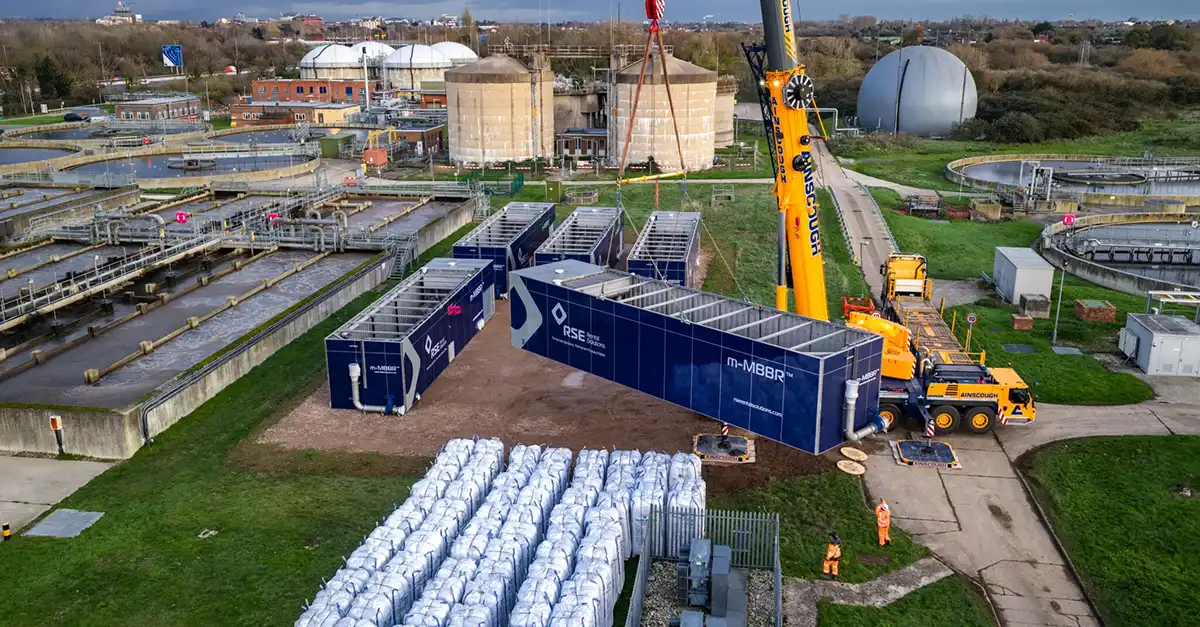

Proven Filtration Using Multiple Layers of Media
Multimedia filtration is one of the most widely used and proven processes in water treatment. By passing water through multiple layers of carefully selected filtration media, such as anthracite, sand and gravel, the process removes suspended solids, turbidity and particulate matter, producing consistently high-quality water while maximising filter run times.
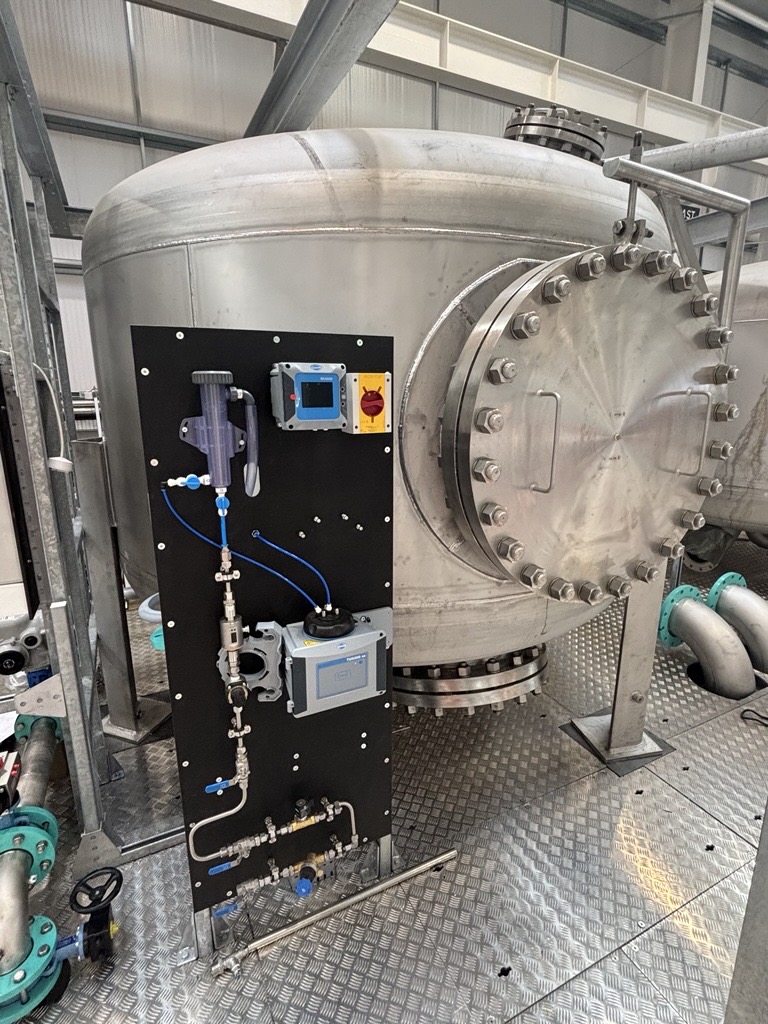
Flexible Technologies for Different Treatment Requirements
A range of filtration technologies, including rapid gravity filters, pressure filters, and slow sand filters, can be applied depending on the raw water characteristics and treatment objectives. Multimedia filtration is often used ahead of more advanced technologies such as membranes or activated carbon.
FAQs
What Contaminants do Sand Filters Remove?
Sand and multimedia filters remove suspended solids, turbidity, and floc carried over from coagulation. With the right chemistry, they also remove iron, manganese and algae. They do not remove dissolved contaminants, and they are not an absolute barrier to Cryptosporidium.
Can Sand Filters be Used as Pre-Treatment for Membranes?
Yes. Sand or multimedia filtration ahead of RO or ultrafiltration removes the bulk of the solids and lowers the silt density index, which protects the membranes from premature fouling. That reduces cleaning frequency and extends membrane life.
What Water Quality can be Achieved with Multimedia?
Well-operated rapid gravity and pressure filters deliver filtrate turbidity of 0.1 to 0.5 NTU, and consistently below 1 NTU. Slow sand filters produce similar turbidity with useful additional removal of bacteria and organics. None of them matches the sub 0.1 NTU consistency of a membrane barrier.
How Long Does Filter Media Last?
Sand and anthracite typically last 10 to 20 years. Media should be topped up as depth is lost through backwashing, and replaced in full when it becomes fouled, rounded or mud-balled. Regular media surveys show when intervention is due.
What is The Footprint Requirement?
Rapid gravity filtration needs a large area of concrete structures. Pressure filters need far less, perhaps a third, because they are vertical and closed. Slow sand filters need the most land by a wide margin, often 20 to 30 times the area of a rapid gravity plant for the same output.
Can GAC and Sand Filtration be Combined in a Treatment Train?
Yes, and it is a classic arrangement. Sand or multimedia filtration removes solids, then GAC polishes for pesticides, organics, taste and odour. Some sites cap a sand filter with carbon, although separate vessels give better control of contact time and changeout.
Enquire Now
Speak to Our Team
Learn more about our business, products or services by completing the form, or alternatively fill in our public feedback form here.