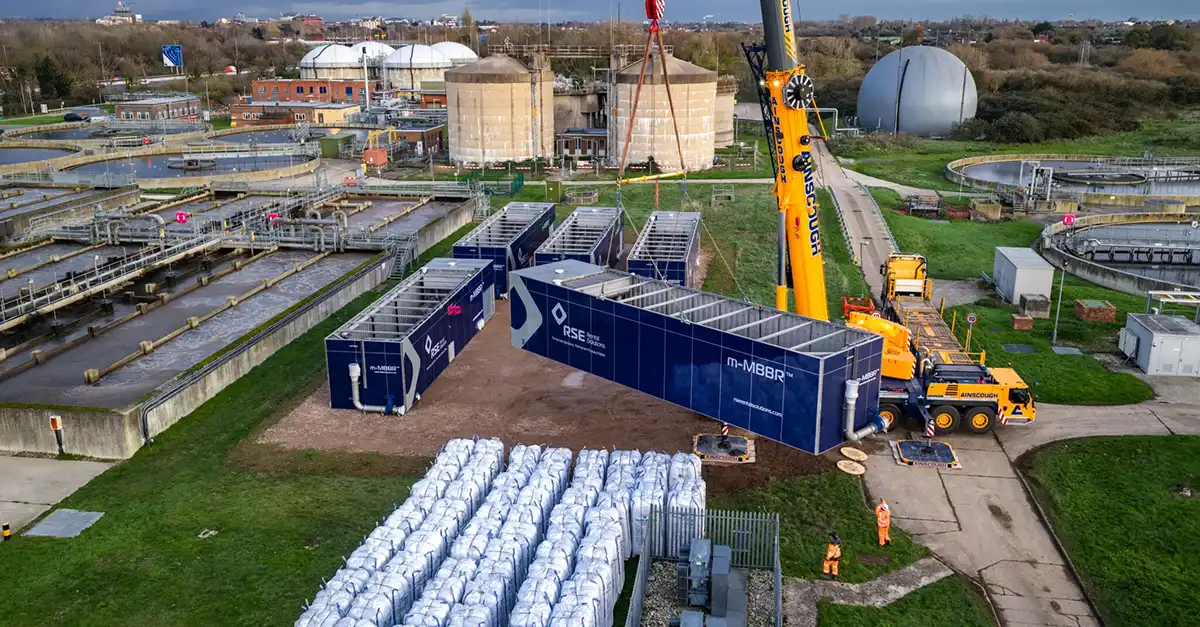
What is Ceramic Membrane Filtration?
Ceramic membrane filtration is an advanced water treatment technology that uses durable inorganic membranes with microscopic pores to create a physical barrier against suspended solids, turbidity, algae, bacteria, protozoa and other particulate contaminants.
Ceramic membranes deliver reliable quality even under challenging and variable raw water conditions. Their exceptional mechanical strength, chemical resistance and long operational life make them a resilient solution for utilities tasked with producing drinking water under increasingly stringent water quality standards. It’s a compact, low-maintenance technology that can be used in new treatment works or to upgrade existing assets.

Our Ceramic Membrane Products
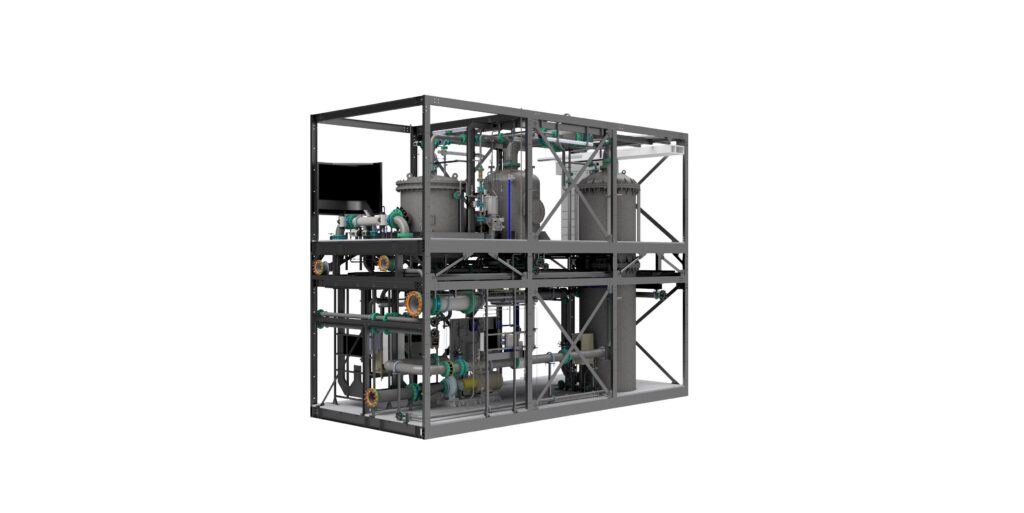
m-CTU®₃₇
m-CTU®₃₇
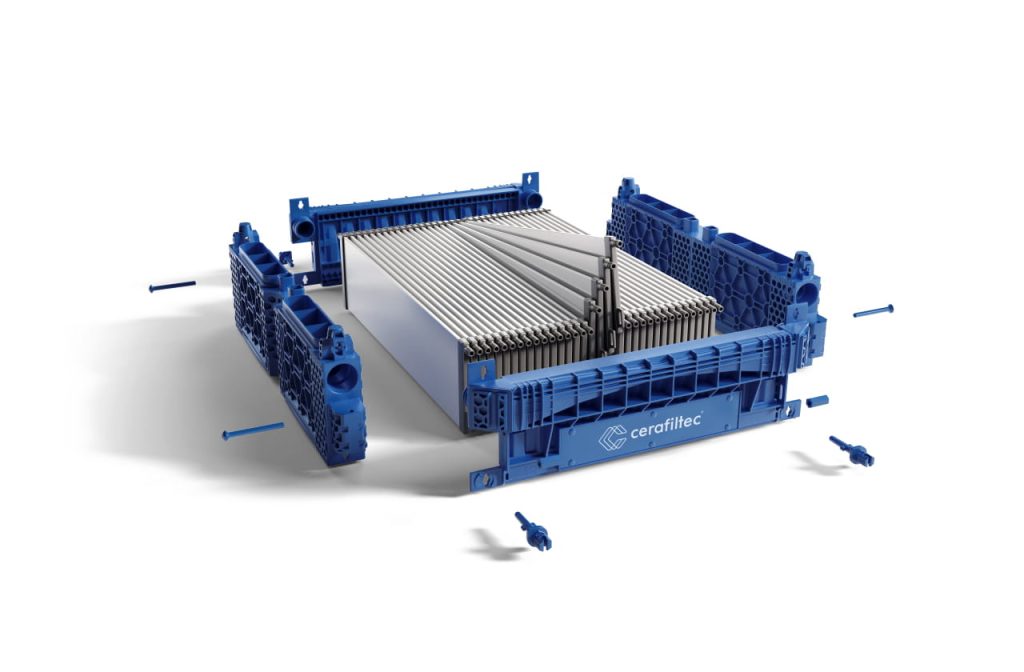
m-CTU®Flat
m-CTU®Flat
Approved by the UK’s Drinking Water Inspectorate
There are only two ceramic membrane systems approved by the UK’s Drinking Water Inspectorate (DWI): our Nanostone product and PWNT’s systems, which we integrate into the water treatment plants we design and build.
Just some of the benefits of using modular ceramic membranes:
- Membrane lifecycle is extended
- Water abstraction is reduced by 8%
- Membrane material is 100% recyclable
- Modular design, build and assembly reduces carbon footprint
- Can be scaled to suit a range of treatment capacities, from small industrial installations to large municipal facilities
- Allows flexible system design while maintaining consistent filtration performance, even across varying operating conditions

PWNT CeraMac®
PWNT CeraMac® vessels are often located between the inlet tower and super pulsators. They can also be used as an interstage filtration system that operates downstream of the existing clarification process. This means filtered water is returned into the process upstream of the GAC filters.
The PWNT CeraMac® solution offers cost and climate benefits compared to rapid gravity filters (RGFs).
- It presents a robust physical barrier against particulates, meaning the process can serve as a disinfection stage — eliminating the need for a separate UV stage.
- It produces higher-quality effluent and is less dependent on influent turbidity than RGFs, reliably producing filtrate that is resilient to variable water quality.
Nanostone Ceramic Technology
Nanostone is an advanced ceramic ultrafiltration (UF) system. The technology uses ceramic membranes with precisely controlled pore structures — of approximately 30 nanometres — to remove suspended solids, bacteria, and other contaminants from water as it flows under controlled pressure.
- Fabricated in Germany from durable inorganic ceramic materials
- Housed in CodeLine vessels
- Exceptional mechanical strength and strong bonding between layers
- Stable performance even in challenging conditions
- Resistant to chemical attack, temperature fluctuations and abrasion.

A Multi-Layer Structure
Nanostone combines filtration precision with structural durability. The membranes are produced from high-purity ceramic materials that are formed and sintered at high temperatures.
The membrane consists of:
- A microporous active layer that performs the primary filtration
- A support layer that provides structural strength
- A macroporous outer layer that enhances durability and hydraulic performance
Cleaner for Longer
Hydrophilic ceramic membrane surface promotes efficient water flow and reduced fouling tendency to help maintain long-term performance.
Key features also include:
- Automatic cleaning processes remove accumulated material from the membrane surface.
- Cleaning cycles restore membrane performance without manual intervention.
- Consistent filtration capacity is maintained over extended operating periods.
- Lower maintenance requirements and improved operational reliability.


FAQs
What Contaminants Can Ceramic Membranes Remove?
Ceramic ultrafiltration gives an absolute barrier to suspended solids, turbidity, algae, bacteria, Cryptosporidium, and Giardia, and it removes most viruses. Combined with coagulation upstream, it also removes colour, natural organic matter, iron and manganese. Dissolved contaminants such as nitrate, salts and PFAS need a further stage: ion exchange, granular activated carbon (GAC) or reverse osmosis (RO).
How Much Water Can a Modular Ceramic Plant Treat?
Modular ceramic plants suit schemes from around 1 Ml/d to well over 200 Ml/d. Larger duties are met by adding membrane vessels or parallel streams.
Can Ceramic Membranes be Retrofitted Into Existing Treatment Works?
Yes. RSE regularly installs ceramic plant alongside or in place of existing filtration, reusing the intake, coagulation, contact tanks and clean water storage where they remain fit for purpose. Because our modular units arrive fully tested, disruption to the operating works is kept to a minimum.
What is the Expected Membrane Life?
Ceramic membranes commonly last 15 to 20 years, and often longer, because the material does not degrade under chlorine, caustic or acid cleaning. That compares with roughly 5 to 10 years for polymeric membranes, and it takes a large recurring replacement cost out of the whole-life model.
Are Ceramic Membranes Recyclable?
Ceramic elements are inert and contain no plastics, so at end of life they can be crushed and recovered as aggregate rather than sent to landfill or incineration. Their long service life also means far fewer replacement cycles than polymeric alternatives, which reduces waste across the asset’s whole life.
Are Ceramic Membranes Approved for Drinking Water Treatment in the UK?
Yes. Any material in contact with potable water must hold approval under Regulation 31 of the Water Supply (Water Quality) Regulations, issued by the Drinking Water Inspectorate (DWI). RSE specifies membranes and ancillary materials that carry the relevant approvals, and we supply the evidence pack as part of the design submission.
Enquire Now
Speak to Our Team
Learn more about our business, products or services by completing the form, or alternatively fill in our public feedback form here.