The scale of ambition across the UK water sector has never been greater. AMP8 and parallel investment cycles represent the largest capital programmes in our industry’s history, with £104 billion of investment behind AMP8 alone.
But investment is only part of the equation. The real challenge is turning that ambition into delivery, at the pace required and with finite resources.
Our Modular by Design: Closing the Delivery Gap research highlighted that tension clearly. Among water company respondents, 56% identified cost pressures as a key challenge to delivering investment commitments, while 46% highlighted the speed of programme delivery.
For me, that raises an important question: can we deliver the scale of infrastructure improvement ahead using the same approaches we have relied on in the past?
Capacity is becoming the constraint
The UK water sector needs to deliver more projects, upgrade more existing assets and respond to increasingly complex environmental and regulatory requirements. Much of that work will compete for the same engineering expertise, manufacturing capacity and supply chain resources. We therefore need to look beyond how we make an individual project faster and consider how we increase delivery capacity across entire programmes.
Our research shows there is already an appetite for this. Half of respondents said improving delivery approaches would help them meet infrastructure improvement goals, while 36% identified stronger supply chain collaboration as an important factor. That is significant. It tells us this isn’t simply a funding challenge. It is also a delivery-model challenge.


default

We need to think differently about delivery
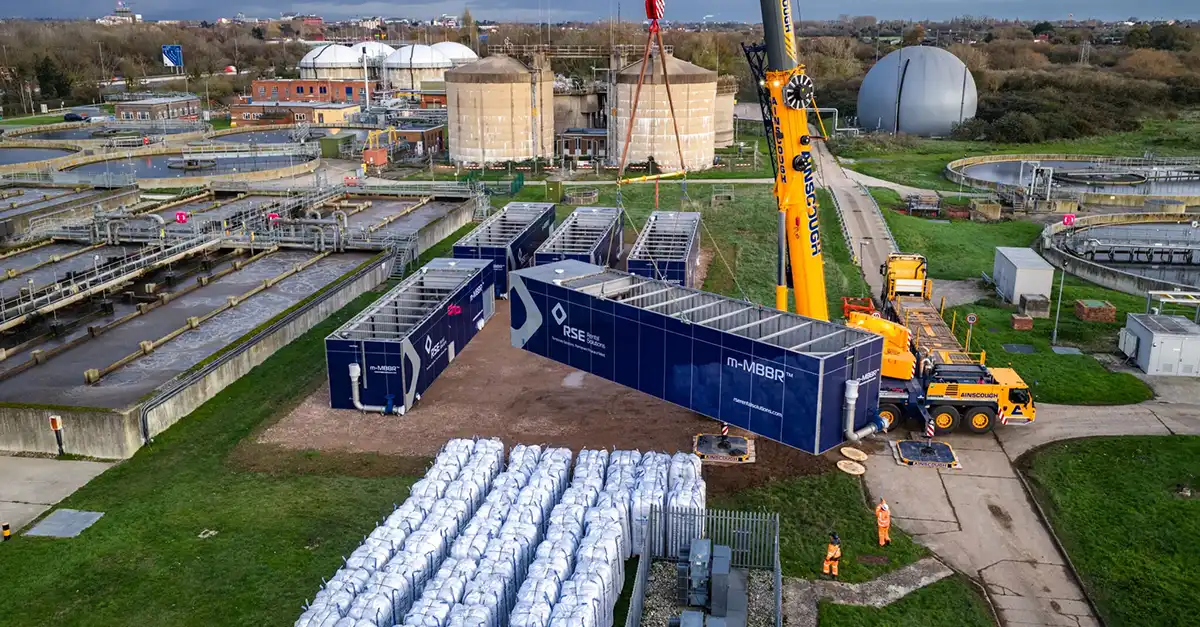
There will always be water infrastructure projects requiring bespoke engineering. But bespoke should not automatically mean starting again every time. Where processes, components and engineering requirements can be standardised, we should be designing for repeatability. Where manufacturing and testing can happen away from site, we should consider doing it offsite. And where manufacturing and civil works can happen concurrently rather than sequentially, we have an opportunity to take time and risk out of programmes.
None of this means compromising on engineering or the individual needs of an asset. It means being smarter about where we genuinely need complexity. Increasing capacity isn’t simply about asking the sector to work harder. It is about creating a model that enables us to deliver more effectively with the resources available.
The scale of investment ahead provides a huge opportunity to improve the resilience of UK water infrastructure for decades to come. To realise it, our approach to delivery must evolve alongside our ambition.